
If running keeps hurting in the same spot, or you're building toward a race and want to stay healthy, a running analysis can show you why. At Flow Physio + Wellness, Registered Physiotherapist Shannon Porter offers a 60-minute Running Analysis & Rehab assessment for runners at every level.
Who a running analysis is for:
Runners with knee, shin, Achilles, heel, hip or back pain that won't settle
Runners who keep getting hurt in the same place
Anyone coming back after an injury or a long break
New runners who want to build up safely
Runners training for a 5K, 10K, half or full marathon
We look at 3 major cornerstones for success:
Running injuries rarely have a single cause. So instead of only chasing the sore spot, Shannon looks at three areas. Usually one of them is doing most of the damage, and finding it tells us where to start.
Your body
Strength, mobility and control testing through the movements running asks for: squats, lunges, single-leg balance, calf capacity, hip stability and control, core and trunk coordination and hopping. This shows whether something in your body is driving the problem.
Your stride
Slow-motion video from behind and from the side, at your easy pace and a faster pace. We look at things like how far ahead of your hips your foot lands, your step rate (cadence), how much you bounce and what your hips and knees do.
Your training and lifestyle
Recent changes to mileage, hills or speed work, your shoes, sleep, stress, work, your program, your recovery, attitudes and beliefs surrounding training and goals. This is the piece most often missed, and it can make or break your recovery.
What happens in your 60-minute visit
We talk
Your running and injury history, what your last month of training looked like, your shoes and your goals.
We test
Strength and mobility testing, plus a screen to make sure it's safe to run.
We film
If running is comfortable enough, we film you on the treadmill. If it's too painful, we settle things down first and film at your next visit.
We cue
We pick one or two findings that match your pain and try a simple cue, like a quicker step. Then we re-film so you can see the difference side by side.
We plan
You leave with home exercises, clear rules for how much running is OK right now, and a return-to-run or training plan.
What we don't do
There's no single "perfect" running form. Experienced runners naturally settle into what works for their body. So we don't overhaul your stride. We change as little as possible, with the simplest cue that helps. If you're not injured, we won't ask you to switch how your foot lands.
What to bring
Your current running shoes (and older pairs if you rotate them)
Any orthotics you wear
Shorts and comfortable clothes to run in
Your watch or running app, so we can look at your recent training
After your assessment
Follow-up visits (45 minutes) track your progress, build your strength and running back up step by step, and re-check your stride after 4 to 6 weeks. Once you're running pain-free, Shannon can help you move into a proper training plan for your next goal.
Book with Shannon
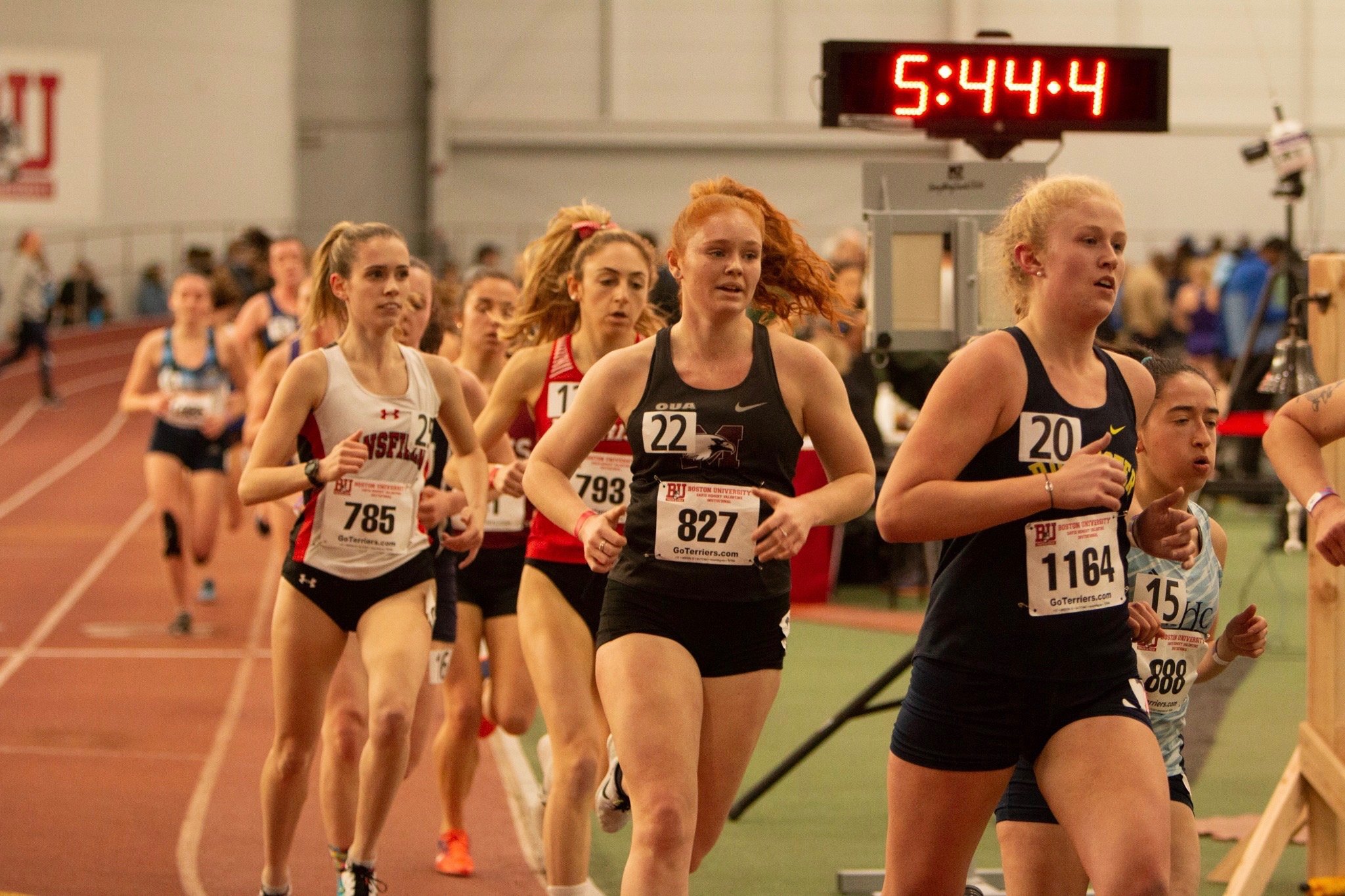
Shannon is a former McMaster varsity cross-country and track runner, so she knows exactly how much running means to you.
Running analysis & rehabilitation is covered through your physiotherapy benefits.
Flow Physio + Wellness · 15 King St W, Bowmanville · (905) 999-5153
