Concussion Care, Vestibular Rehab and Dizziness
Concussions and vestibular issues are not injuries for the ‘wait to see approach’ - prompt treatment can drastically improve outcomes.
Symptoms can vary and change day-to-day, but we can teach you strategies to help maximize your recovery.
-
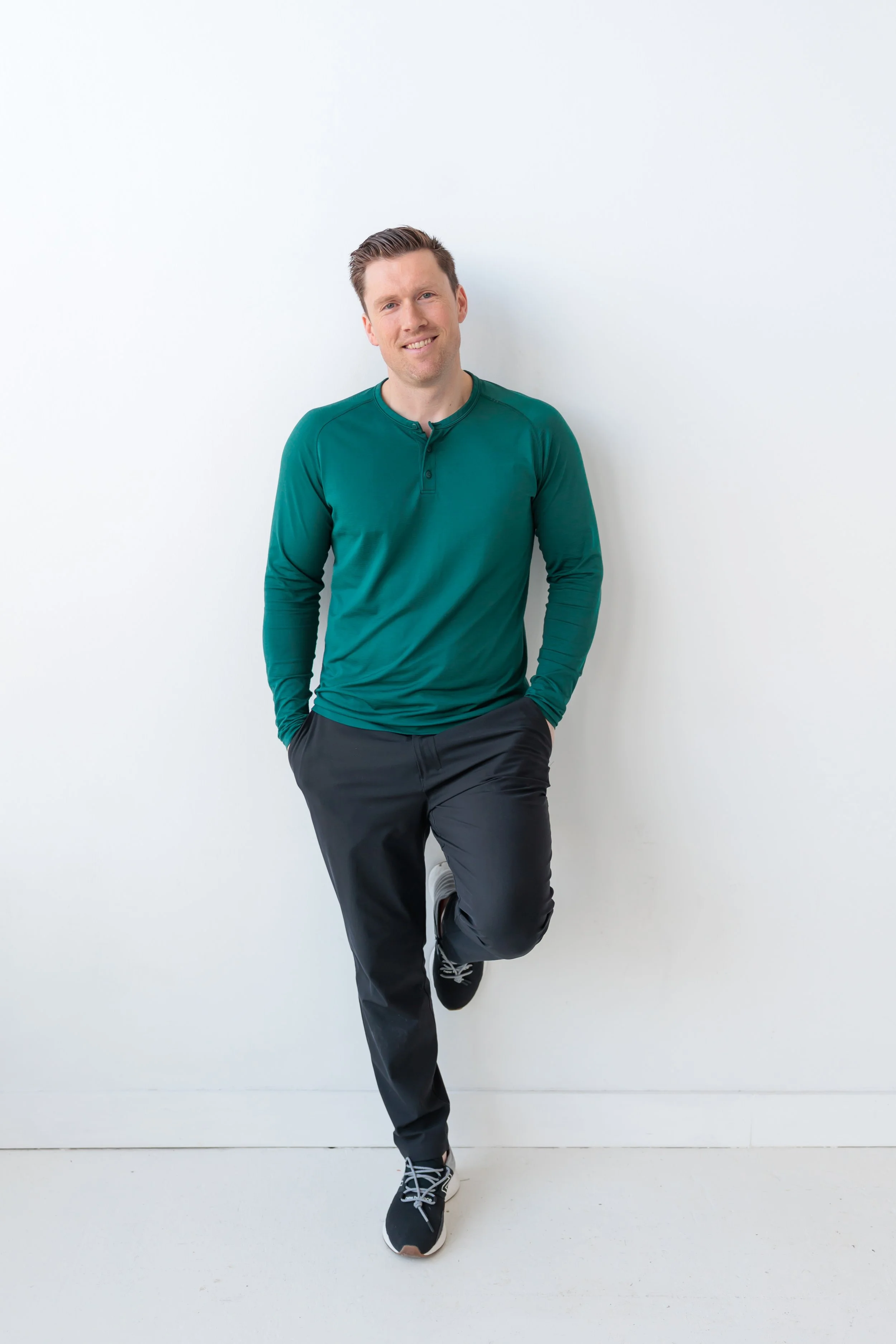
Concussion recovery is challenging, but can be improved with timely care. Dr. David Blair will assess your symptoms and work with you to design a program to gradually improve your tolerance levels for work and play. We treat using hands-on therapy and acupuncture for neck, back, and shoulder pain.
Concussion management includes:
Thorough assessment of each body system
Education to patient and family
Clear communication with coaches
Detailed written return to play schedule
Home program to maximize recovery
Balance & agility retraining
Visual retraining
-
Concussions are mild traumatic brain injuries resulting in changes to our:
Balance
Mood
Physical performance
Emotions
Cognition
Memory
Visual disturbance
-
Vertigo is a specific type of dizziness where you feel like you or your surroundings are spinning or moving, even when you’re still. It’s a symptom — not a disease — and usually relates to problems in the vestibular system, which includes:
The inner ear (balance organs)
The vestibular nerve
The parts of the brain that process balance
Common Causes of Vertigo
Benign Paroxysmal Positional Vertigo (BPPV)
The most common cause. Tiny calcium crystals in the inner ear become displaced, triggering brief spinning episodes with head movement.Vestibular neuritis
Inflammation of the vestibular nerve, often after a viral infection. Causes sudden, intense vertigo.Ménière’s disease
Associated with vertigo, hearing loss, ear fullness, and ringing (tinnitus).Vestibular migraine
Vertigo related to migraine activity, sometimes without a headache.
-
A Vestibular Physiotherapist has advanced training in assessing and treating balance disorders.
1. Accurate Assessment
They perform specialized testing:
Eye movement testing
Positional testing (like the Dix-Hallpike test)
Balance and gait assessment
This helps identify whether it’s BPPV, neuritis, migraine-related, etc.
2. Repositioning Maneuvers (For BPPV)
If you have BPPV, they use specific head movements such as:
Epley maneuver
Semont maneuver
These reposition displaced crystals — often resolving symptoms in 1–3 treatments.
3. Vestibular Rehabilitation Therapy (VRT)
For ongoing dizziness, they design exercises to:
Improve brain adaptation (neuroplasticity)
Reduce motion sensitivity
Improve balance and stability
Reduce fall risk
Exercises may include:
Gaze stabilization drills
Balance training
Gradual exposure to triggering movements
How Vestibular-Certified Chiropractors Help
Some chiropractors complete additional training in vestibular rehab.
They may provide:
1. BPPV Treatment
Many are trained to perform:
Epley maneuver
Canalith repositioning procedures
2. Balance & Neurological Rehab
Some focus on:
Eye–head coordination exercises
Proprioceptive training
Postural correction
3. Cervicogenic Dizziness Management
If dizziness originates from neck dysfunction (after whiplash, poor posture, injury), treatment may include:
Gentle cervical mobilization
Soft tissue therapy
Postural retraining
Strengthening deep neck stabilizers
-
Vertigo can sometimes signal something serious. Seek immediate medical attention if you experience:
Sudden severe headache
Double vision
Slurred speech
Weakness or numbness
Difficulty walking
Chest pain
These could indicate stroke or other neurological emergencies.
Our Vestibular-Trained Practitioners
Dr. David Blair DC
Doctor of Chiropractic
Certified in Post-Concussion Management
Certified Vestibular Chiropractor
Anji Parekh BPT
Registered Physiotherapist
Certified Vestibular Physiotherapist