
Physiotherapy
Get out of pain and make your body resilient, adaptable and healthy.

-
During your Initial Assessment, your Physiotherapist and you will:
Discuss your health history, issues and concerns, lifestyle and goals
Assess your concerns using: functional movement screening, range of motion testing, muscle testing and special tests to rule in/out specific conditions and injuries
Provide you education on their findings, what they mean, and a clear diagnosis and timeline for recovery
Discuss a treatment plan with you and offer forms of treatment options
-
Our physiotherapists have undergone continuing education courses to allow for general and more specific treatment options.
Manual therapy including soft tissue work and joint mobilizations and traction
Cupping
Graston technique (myofascial therapy)
Neuromuscular acupuncture
Neurokinetic physiotherapy
Running and gait analysis and cueing
Physio yoga
Clinical Pilates
Rehabilitative exercise prescription
Kinesiotaping and sports taping
Home exercise and lifestyle recommendations
-
Description text goes here
-
Item description
-
Item description
-
Item description
-
Physiotherapy can help with:
Back pain including degenerative disc disease, stenosis, disc herniation or compression, lumbar radiculopathy, Sciatica, muscular low back pain, stiffness or lack of mobility
Neck pain including degenerative disc disease, stenosis, disc herniation or compression, cervical radiculopathy, muscular low back pain, stiffness or lack of mobility
Shoulder pain including rotator cuff injury, labral injury, dislocation or subluxation or separation, fracture, or post-operative care
Hip pain
Knee pain
Sports-related injury
SIJ pain
Osteoarthritis
Tendinopathies and soft tissue injury/tears (e.g. rotator cuff tear)
Post-surgical rehabilitationInjury prevention and active rehabilitation programming
Wellness intervention
Paediatric gross motor assessment
-
Physiotherapy Initial Assessment is 60-minutes long. We ask that you complete your Intake Form on Jane App ahead of time. This Intake Form is part of our secure electronic medical record system. During your Initial Assessment, we will discuss your subjective health history, assess, educate and provide treatment.
Follow up appointments can be 30, 45 or 60 minutes in length.
30 minute appointments are suitable for addressing one issue or concern and providing manual therapy.
45 and 60 minute appointments may address two or more concerns and include manual therapy and exercise guidance and home program.
Your physiotherapist will discuss treatment options with you and recommend a plan and treatment length based on your assessment together.
-
At Flow, we have speciality physiotherapy services including:
running analysis
pelvic health physiotherapy
paediatric physiotherapy
neurokinetic physiotherapy
physio yoga
clinical pilates
small group physiotherapy
Please call our office at (905) 999-5153 or email us at info@flow-wellness.ca and provide a brief description in what you’d like to address and we will be happy to guide you in the right direction and set you up with the right physiotherapist.
-
Soft tissue therapy uses hands-on techniques to reduce muscle tension, improve circulation, and relieve pain or stiffness in muscles and connective tissues. It can help restore mobility, support recovery, and improve overall movement quality.
-
Cupping therapy uses suction cups placed on the skin to promote blood flow, decrease muscle tightness, and support healing. It is often used to relieve pain, improve mobility, and reduce tension in overworked muscles.
-
Myofascial release is a gentle hands-on technique that targets restrictions in the fascia, the connective tissue surrounding muscles and joints. This treatment helps reduce pain, improve flexibility, and restore natural movement patterns.
-
Neuromuscular acupuncture combines traditional acupuncture principles with modern anatomy and neuroscience to target muscular and nerve-related pain. Fine needles are used to reduce tension, improve muscle activation, and support the body’s natural healing response.
-
Dry needling involves inserting thin needles into tight or sensitive muscle trigger points to reduce pain and improve muscle function. It is commonly used to relieve muscle tension, improve mobility, and accelerate recovery.
-
The Graston Technique uses specialized stainless steel instruments to detect and treat areas of scar tissue or soft tissue restriction. This therapy can help improve mobility, decrease pain, and promote tissue healing.
-
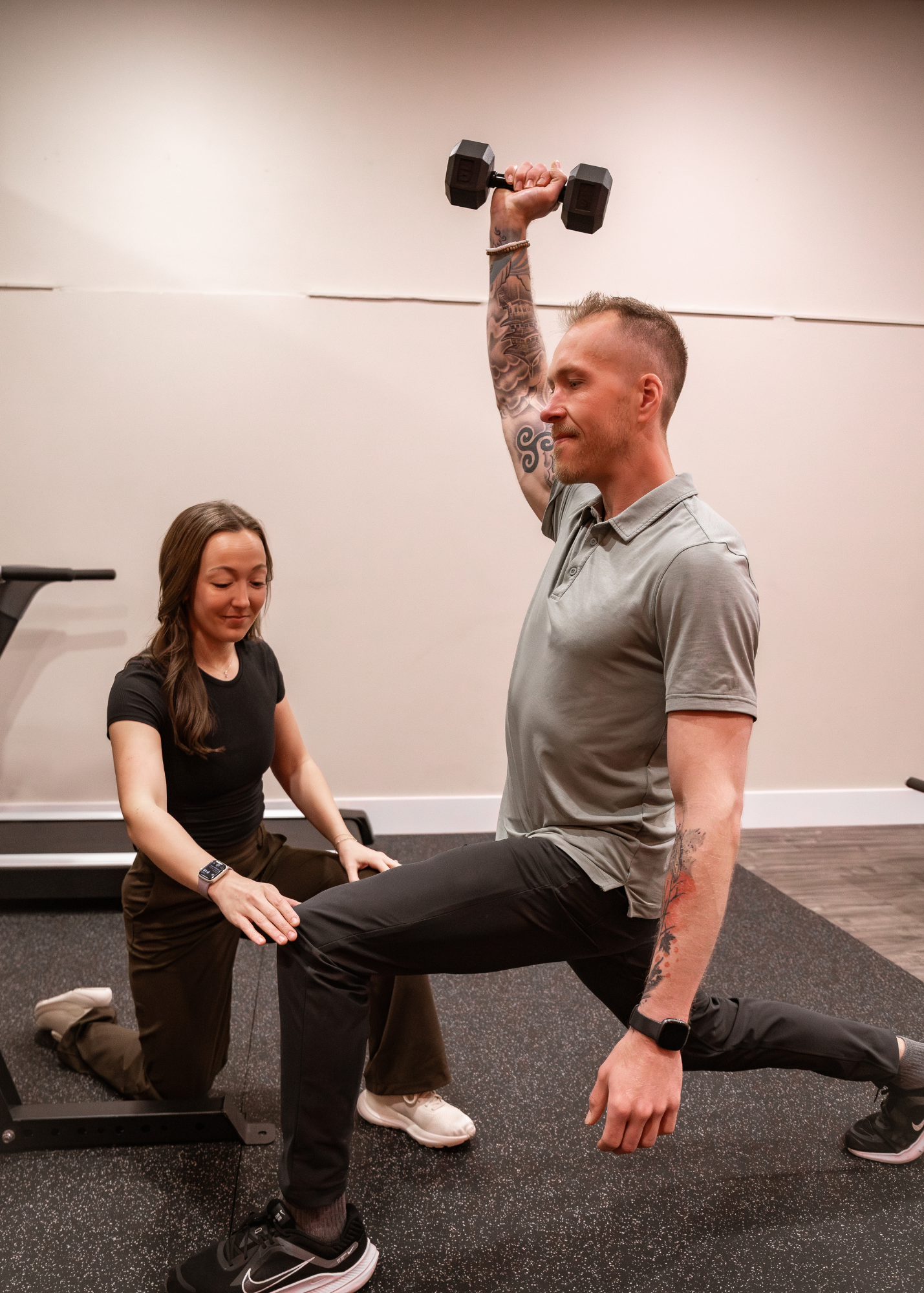
Exercise programming involves creating individualized movement and strengthening plans based on your goals, condition, and lifestyle. Targeted exercises help improve mobility, build strength, prevent injury, and support long-term recovery.
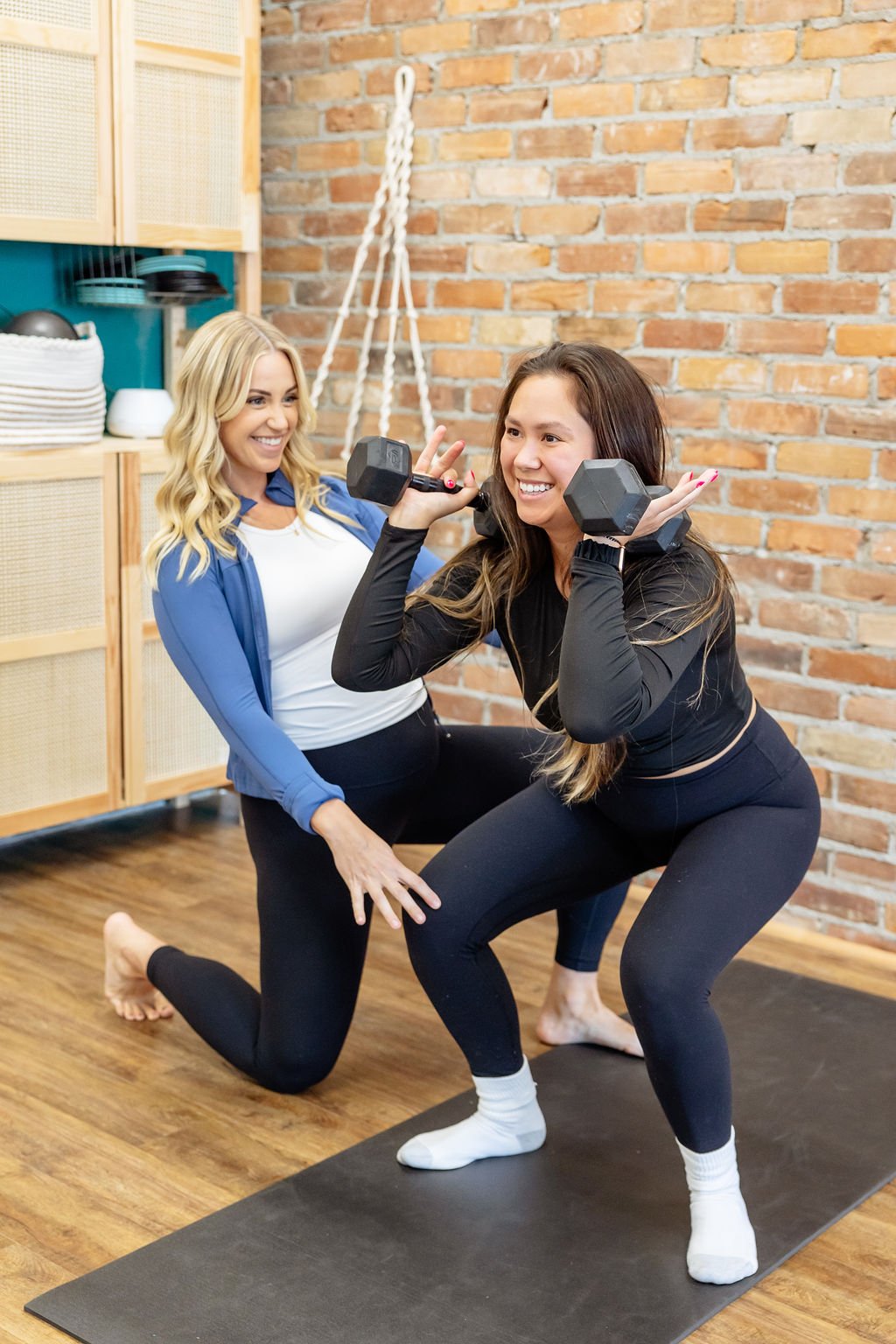
Our mission is to show you how to move, educate, empower, and prove to you that you have the power to heal yourself.


