Social media is full of running advice: get this shoe, land on your forefoot, never heel strike. Shannon gets asked about all of it. Here's what actually matters.
Shoes: comfort and fit come first
The research on running shoes is mixed. The most important thing is a shoe that feels comfortable and fits your foot. Beyond that, three specs are worth knowing:
| Spec | What it means | Worth knowing |
|---|---|---|
| Drop | Height difference from heel to toe: low about 0–6 mm, mid 6–8 mm, high 8–12 mm | Lower drops shift load toward the foot and Achilles. Higher drops shift it toward the knee, hip and back. |
| Cushioning | How much foam sits under your foot | More isn't always better. It's mostly about feel. |
| Stability | How firm and supportive the shoe is | Helpful short-term for some foot and ankle injuries. Not something everyone needs. |
Shannon's shoe rules:
Change slowly. If you change drop, go 1 to 2 mm at a time. A sudden switch to a very low or zero-drop shoe is a common cause of Achilles and calf injuries.
Rotate pairs. Having two or three pairs with slightly different specs spreads the load.
Be cautious with minimalist shoes. If you try them, add only a little distance each week.
There's nothing wrong with regular running shoes. When you buy a new pair, stay close to what's been working.
Foot strike: if you're not hurt, leave it alone
About 80% of runners land on their heel first, and that's okay. Experienced runners naturally settle into the pattern that's most efficient for their body. Studies haven't shown a clear link between foot strike and injury, and switching a heel striker to the forefoot tends to make running less efficient at easy paces.
If you're injured, foot strike can matter, but changing it usually just moves load somewhere new. That's why Shannon treats it as a last resort, not a first fix.
What matters more: where your foot lands
The biggest drain on efficiency is landing with your foot far out in front of your hips, called overstriding. It acts like a brake on every step and puts more load through your knees.
Often the simplest fix is a slightly quicker cadence (steps per minute):
Find your current cadence on your watch or app.
Add 2 to 3 steps per minute each week, up to about 8 to 10 in total. A metronome app helps.
Think "quick and light" and "land with your foot under your hips."
Not sure what's right for you?
A running analysis takes the guesswork out. Shannon films you in your own shoes, looks at your stride from behind and from the side, and checks whether your shoes suit how you run and where you're sore. You'll get one or two simple changes, not a complete overhaul, and see the difference on video.
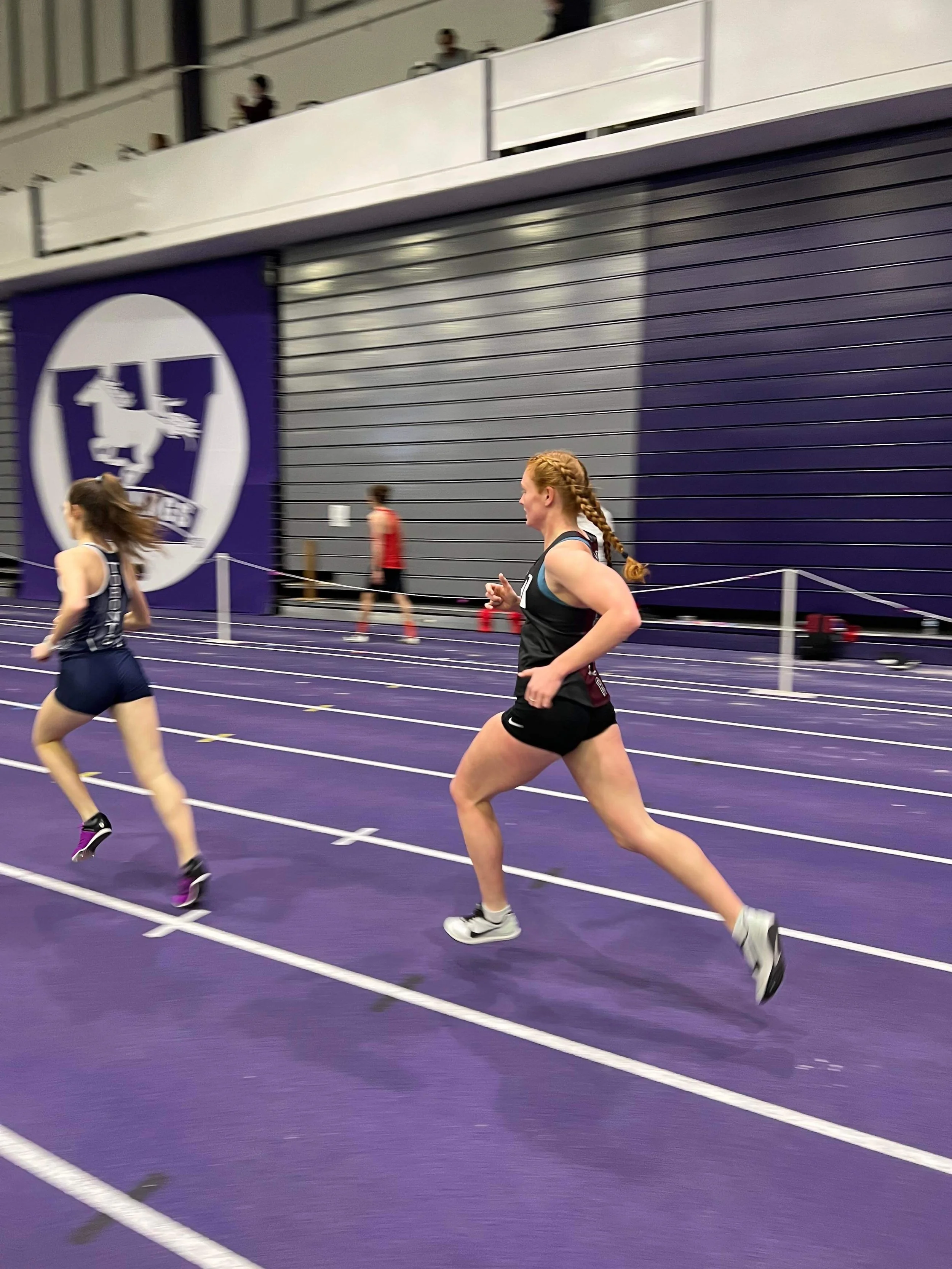
Bring your current running shoes, plus any older pairs you rotate.
Running Analysis Initial Assessment is covered under your physiotherapy benefits.